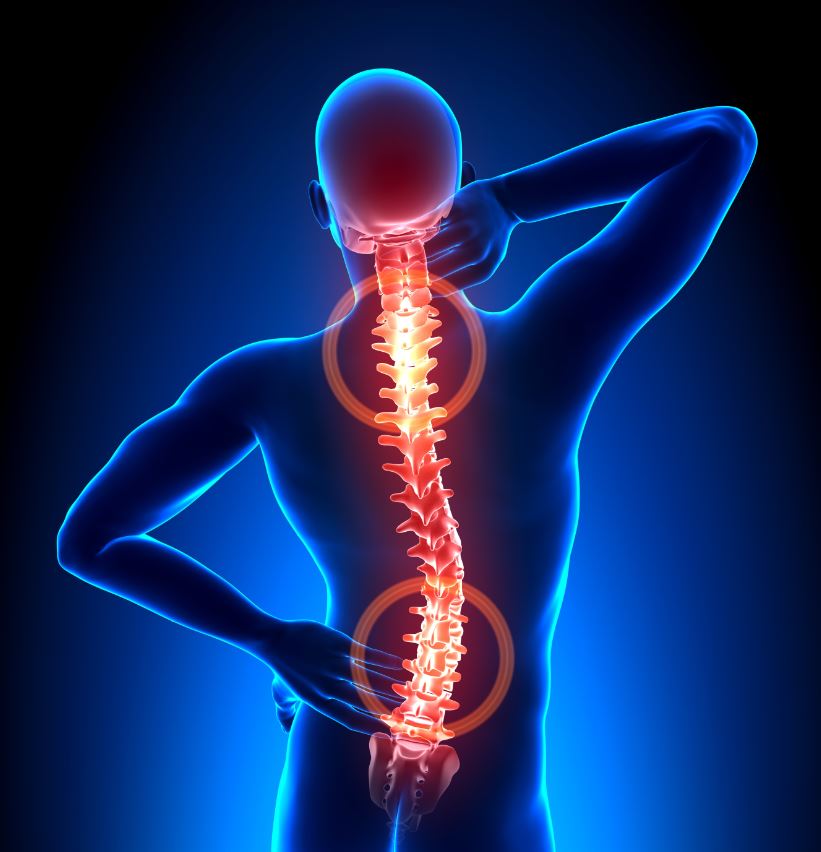
Scoliosis: What It Is, How to Recognize It, and How to Manage It in Everyday Life
Incorporating effective scoliosis exercises into your daily routine can significantly help manage this condition and improve your overall posture.
What Is Scoliosis?
In simple terms, scoliosis is a sideways curve of the spine. But it’s not just bending to one side. The vertebrae also rotate slightly, causing one side of the back to appear higher or more prominent, especially when a person bends forward. This rotation is what creates the well-known rib “hump” or the visible asymmetry in the waist.
Scoliosis doesn’t automatically mean pain or danger. In fact, most mild cases cause no discomfort at all and only require monitoring and proper guidance. It’s something that responds well to awareness, movement, and smart strengthening.
Engaging in scoliosis exercises is a proactive approach that can enhance flexibility and strength in individuals affected by scoliosis.
These targeted scoliosis exercises not only aid in managing the curvature but also promote better spinal health and muscle balance.
How Do You Recognize It?
One of the easiest ways to check for scoliosis is through the Adams Forward Bend Test. The person bends forward, and we look for one side of the ribcage or lower back sticking out more than the other. Daily posture also gives clues: one shoulder higher than the other, a tilted pelvis, or uneven waist “triangles.”
Of course, the full picture comes from an X-ray. That’s where a doctor measures the angle of the curve and decides whether it needs treatment, exercise, or just periodic observation.
Why Does It Happen?
Around 90% of scoliosis cases have no clear cause. It’s not from heavy school bags, bad sitting posture, or sleeping incorrectly. Most cases appear between ages 10–12, during rapid growth phases when the bones grow faster than the muscles can support them. This creates temporary instability, making the spine more vulnerable to mild curves.
In fewer cases, scoliosis can be linked to neuromuscular issues, injuries, or heavy one-sided activities — but these are less common.
How Is It Managed?
The approach depends on how big the curve is and the person’s age.
Mild Curves
These usually only require core strengthening and simple posture awareness. Often this alone is enough to stabilize the spine and prevent the curve from progressing.
Moderate Curves
A doctor may recommend a special brace, worn for a certain number of hours per day until growth is finished. A brace doesn’t mean something is “wrong” — it’s simply a tool that guides the spine into a better position.
Severe Curves
A small percentage of cases may require surgery, but this is reserved for the largest curves and only when growth is still ongoing.
Which Exercises Really Help?
Exercise is one of the most powerful tools we have. In many cases, it can significantly improve stability and posture on its own.
The best exercise categories include:
Core stabilization (bird dog, side plank)
Back and glute strengthening
Gentle traction exercises, like light hanging from a bar
Breathing exercises that help the ribs move better
Thoracic spine mobility work
These exercises help the body move more symmetrically without overloading the spine.
What Should We Avoid?
There are also activities that don’t help — and sometimes make scoliosis worse.
Heavy squats or exercises that compress the spine
Excessive forward bending
Strong twisting movements
One-sided sports with repetitive rotation
Carrying heavy bags on one shoulder
The logic is simple: keep the body as balanced and symmetrical as possible.
The Takeaway
Scoliosis isn’t something to fear. With the right approach, most people can live fully active, pain-free lives. Exercise plays a huge role, not only for the spine but also for confidence and body awareness. The more we understand our bodies, the better we can take care of them.
If this article helped you, stay tuned on FITREFECT for more clear, practical, and empowering content about movement and human performance.
Ivan Marinov
Fitness Personal Trainer & Athletic Coach
DOWNLOAD OUR APP TODAY!